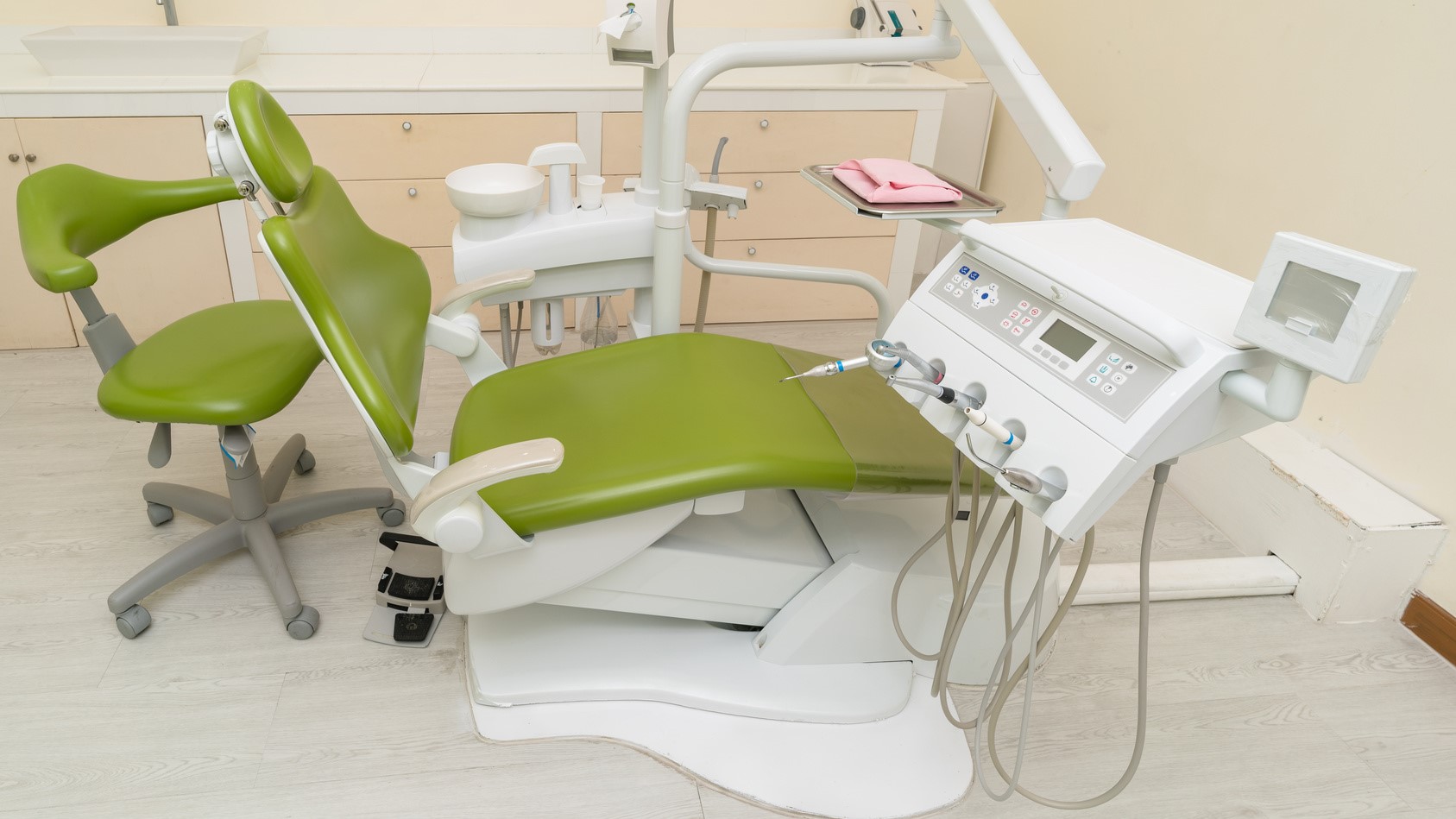
Other benefits of forming a California dental corporation include continuity and business credibility.
Be sure to consider the following factors when starting a dental corporation in California. Keeping these formalities helps preserve the corporation’s separate status if it is ever challenged in a lawsuit.
Consult with a California Business Formation Attorney When Forming a California Dental Corporation
Simply put, always consult with a business formation attorney when forming a professional dental corporation in California.
Make sure the attorney has specific experience with forming corporations for dentists.
It is important to discuss things like, formalities, liability issues, tax questions, timing, and more.
If you would like a licensed California incorporation attorney to handle your dental corporation formation, simply get the process started securely online or call us at (310) 765-2525.


Consider Timing
Timing is also an important factor when forming a California dental corporation.
If you are starting a new dental practice, consider forming your professional dental corporation beforehand.
If you wait until later, you will have to deal with executing new contracts and other records.
Keep things simple by using your dental corporation from day one.
California Dentists Cannot Practice Dentistry Using an LLC
California does not allow a limited liability company to practice dentistry (Corporations Code §17701.04(e)).
If dentists incorporate their practice, the corporation must be a dental corporation.
Determine Eligibility
Make sure that all of the officers, directors and shareholders (owners) of the dental corporation are qualified.
Dental corporation shares are generally owned by licensed dentists; ask us before adding any other owner.
Pursuant to California Corporations Code section 13403, when a dental corporation has one shareholder, that shareholder shall be the director, president and treasurer of the corporation. Other officers of the corporation are not required to be licensed individuals.
When a dental corporation has two shareholders, the shareholders shall be the directors and, among them, hold the positions of president, vice president, secretary and treasurer of the corporation.
A California Dental Corporation with More than One Owner Should Have a Buy-Sell Agreement
Buy-Sell agreements (also known as shareholder agreements) account for things like what happens to a corporation when a shareholder is incapacitated, passes away, divorces or decides to sell their shares to someone else.
A California attorney can draft a buy-sell agreement for your California dental corporation (a separate engagement, not part of the formation package).
Determine Whether a C or S Corporation is Better
California professional dental corporations can be taxed two ways.
Option one, which is the default tax classification, is to be taxed as a “C” corporation.
The second option is to be taxed as an “S” corporation.
California dentists sometimes fail to realize the C corporation and S corporation designations are made with the Internal Revenue Service, while the dental corporation, itself, is formed with the California Secretary of State.
Corporations are taxed as C corporations, by default.
If IRS Form 2553 is filed with the IRS, the dental corporation is treated as a “small business corporation” which is also known as an S Corporation.
C corporations are classified as separate entities for tax purposes.
Accordingly, the C corporation files its own tax return and pays its own income taxes.
In turn, the dental corporation’s shareholders (owners) file their own and separate tax returns, which corresponds to income the corporation pays to them, in an individual capacity.
This results in what is commonly referred to as “double taxation.”
The primary benefit of the S corporation is avoiding the double taxation associated with C corporations. This is known as “pass-through” taxation.
Ask your CPA whether C or S corporation tax treatment is best for your practice.
Naming a California Dental Corporation
Under Business and Professions Code Section 1804, the corporation’s name, and any name it practices under, must include “dental corporation” or wording that shows it is a corporation.
An example of a permissible dental corporation name is John Doe DDS, Inc.
Each dental office practicing under a false, assumed or fictitious name needs a Fictitious Name Permit from the Dental Board of California.
The Fictitious Name Permit application requires that you provide the Dental Board with a copy of the dental corporation’s articles of incorporation.
The Board charges an application fee; check the Board’s current fee.
Permits must be renewed every two years; check the Board’s current renewal fee.
It’s also important to check name availability, with the Dental Board, before applying for a Fictitious Name Permit.
Determine Who the Agent of Service of Process Will Be
All California dental corporations are required to designate an agent of service of process (also known as a registered agent).
Every California corporation must name an agent for service of process: an individual who resides in California and has a California street address, or a California registered corporate agent.
If your agent can’t be reached, you could miss legal papers and the deadline to respond.
An individual (e.g., any officer, director or shareholder of the corporation) can serve as agent.
Alternatively, you can hire a qualified company to serve as agent on your behalf.
Benefits of hiring a registered agent include privacy and freedom (not having to be available during business hours).
If you designate yourself as registered agent make sure you are at the designated address during business hours.
File the California Dental Corporation Articles of Incorporation
Filing Articles of Incorporation of a Professional Corporation with the California Secretary of State is the official first step in forming a California dental corporation.
The Articles of Incorporation should include the corporation name, the business address, the registered agent name and address, number of shares authorized and corporation purpose.
The Articles should also be customized to include indemnification provisions.
Prepare Organizational Corporate Minutes
The corporation should prepare organizational corporate minutes which, among other things, appoint the corporation’s directors and officers.
Minutes are important for the dental corporation to have in case of lawsuit or audit.
Keep minutes of shareholder, board and board-committee proceedings, and retain written consents used in place of meetings, as required by California law and the corporation’s governing documents.
Prepare Bylaws
The corporation’s operating procedures and rules are set forth by the corporation’s directors via Bylaws.
Bylaws dictate the how the corporation is operated, where the corporation is located, time, place and manner of shareholder meetings, director powers, numbers, elections and indemnification, officer types, duties and meetings, stock issuance, record keeping and general matters.
Bylaws are an integral and official part of the records of the corporation and must be presented for review in case of a lawsuit or audit.
Failing to have bylaws could be a factor toward piercing the corporate veil in case of a lawsuit.
Issue Stock to the Shareholder(s)
Stock issuance is an often overlooked and important part of the corporation formation process.
Shareholders are the owners of the corporation and their ownership must be documented by shares of stock.
Stock certificates should include the corporation name, shareholder name, number of shares issued, number of shares authorized, date of issuance and should be signed by the secretary and president of the corporation.
Dental corporation share certificates must contain a legend setting out the ownership and transfer restrictions required by 16 CCR §1060.
Prepare a Stock Ledger
A stock ledger is a log which documents the shareholders, number of shares issued and issuance date.
The stock ledger is also used to document any future stock issuance and transfers.
Obtain an Employer Identification Number (EIN)
An EIN, which is also known as Tax ID Number (TIN) is an identifying number issued by the IRS for newly formed corporations. An EIN can be likened to a Social Security Number for a business.
The EIN is used to open the dental corporation bank account and file taxes.
IRS Form SS-4 is used to obtain an EIN.
The EIN can also be obtained online via the IRS website.
Frequently asked questions and answers can be found via the IRS Form SS-4 instructions.
File IRS Form 2553 (S Corporation Election)
If the corporation is eligible and you choose S corporation status, IRS Form 2553 is generally due no more than 2 months and 15 days after the start of the tax year the election is to take effect.
Form 2553 is required to include the corporation name, formation date, address, EIN, representative and shareholders (and any spouses holding a community property interest).
Frequently asked questions and answers can be found on the IRS Form 2553 instructions.
File a Statement of Information
A Statement of Information, must be filed with the California Sec. of State, within 90 days of incorporation. Missing it can lead to a penalty and, eventually, suspension of the corporation.
The Statement of Information must include the dental corporation’s name, California Secretary of State entity number, business address, mailing address (if different), officers, directors, registered agent and type of business.
File a Limited Offering Exemption Notice
A notice under Corporations Code §25102(f) is generally filed with the California Department of Financial Protection and Innovation within 15 calendar days after the first sale of stock in California.
File it on time.
The notice tells the state that the stock was issued under a limited-offering exemption from securities qualification. The formation package includes preparing and filing the initial California limited-offering exemption notice for founding shares and its state fee, when applicable. Securities advice is not included; separate securities questions require referral to securities counsel.
Open a Bank Account for the California Dental Corporation
A bank account should be opened shortly after the dental corporation is formed.
The account should exclusively be used for financial transactions associated with the corporation.
Keep business and personal funds separate. Keeping these formalities helps preserve the corporation’s separate status if it is ever challenged in a lawsuit.
The stock ledger should reflect the amount being deposited into the bank account in exchange for shares.
Obtain a Local Business License
Most cities require corporations operating within their boundaries to obtain a business license and pay local taxes.
The CAlGold website will help determine which licenses and permits are required for your new entity.
Notify Third Parties About the California Dental Corporation
All parties the corporation has a business relationship with should clearly know that they are dealing with a corporation.
All contracts should be executed in the name of the corporation.
Also be sure to notify insurance carriers about the new corporation.
Consult With an Accountant
Meet with an accountant immediately after the corporation is formed to discuss state and federal income, payroll and other taxes.
Always stay in touch with your accountant to ensure you stay on top of all tax filing and payment deadlines since the government will not remind you about filing deadlines.
For example, corporations may have to pay a minimum $800 tax to the California Franchise Tax Board each year. Ask your CPA when your first payment is due.
The California Franchise Tax Board will not remind you about the $800 minimum tax payment.
Accordingly, it is important to be working with a good accountant that can keep you on top of such requirements.
Missing tax filings or payments can lead to penalties and suspension of the corporation.
California Dental Corporation Corporate Formalities
Being afforded the protection of the corporate structure entails that you comply with all formalities associated with being a corporation.
Be sure to prepare corporate minutes on an annual basis.
Also make sure you file the corporation’s statement of information annually.
Missing tax filings or payments can lead to penalties and suspension of the corporation.
Call (310) 765-2525 or start your California dental corporation online:

ALSO SEE: How to Form a California Medical Corporation