
 Zach Javdan
 Last reviewed July 2026 by LawInc attorneys.
California levies an annual fee on LLCs operating in the state — commonly called the gross receipts tax on LLCs, and officially the LLC fee — based on their total income from California sources. This fee is in addition to the $800 minimum franchise tax. Understanding how the gross receipts tax works is crucial for California LLCs.
Overview of Gross Receipts Tax
-
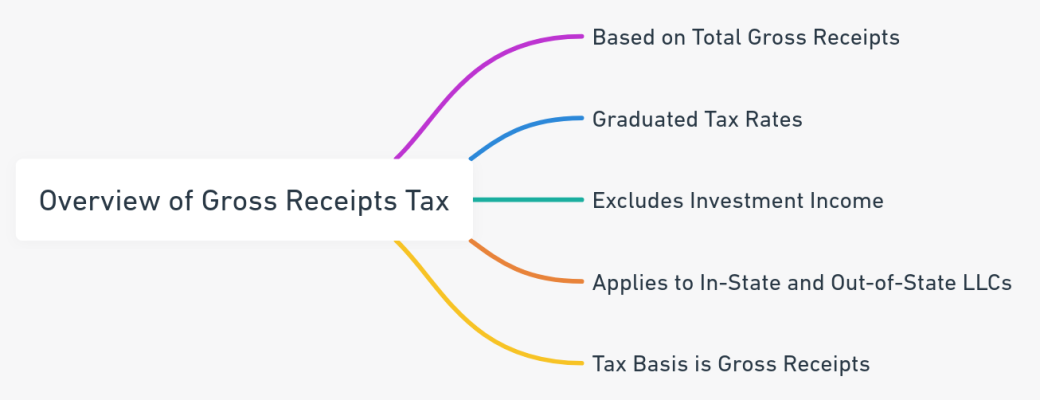
- Based on Total California Income: Fee levied annually on the LLC’s “total income from all sources derived from or attributable to California” — generally gross income plus cost of goods sold.
- Graduated Fee Tiers: The fee ranges from $900 to $11,790 depending on total California income — separate from, and in addition to, the $800 annual franchise tax.
- No Double Counting: Income already subject to the fee in another LLC (for example, allocated up a tiered LLC structure) is generally excluded so the same dollars are not charged twice.
- Applies to In-State and Out-of-State LLCs: This fee applies to all LLCs operating in CA, regardless of where organized.
- Gross, Not Net: The fee does not account for deductions, expenses, or losses — an LLC can owe it even in an unprofitable year.
-
- How does the fee impact profitable vs unprofitable LLCs? The fee is based only on total California income, not profitability.
- Can tax credits and deductions reduce liability? No, the fee determination does not consider credits or deductions.
- Are LLCs in other states subject to this tax? No, only LLCs operating in CA are subject to the fee.
How Tax is Calculated
-
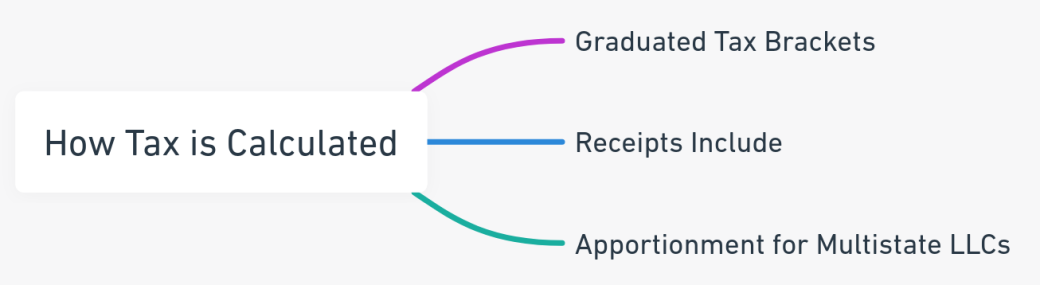
- Graduated Fee Tiers: Tiers based on total income from California sources.
- Income Included: Generally gross income plus cost of goods sold — sales, services, rents, and other business income attributable to California, with limited statutory exclusions.
- Apportionment for Multistate LLCs: Only the CA portion of total income is included based on apportionment rules.
| Total California Income | Annual Fee |
|---|---|
| $250,000 – $499,999 | $900 |
| $500,000 – $999,999 | $2,500 |
| $1,000,000 – $4,999,999 | $6,000 |
| $5,000,000 or more | $11,790 |
-
- How to determine CA portion of total income? Follow CA apportionment rules based on sales source.
- How to classify out-of-state receipts? Classify based on apportionment principles.
- Is the fee based on gross profits or total income? The fee is based solely on total income from California sources — not profits.
Reporting Requirements
-
- Estimated Fee (Form FTB 3536): The LLC fee is estimated and paid by the 15th day of the 6th month of the tax year — June 15 for calendar-year LLCs.
- Annual $800 Tax (Form FTB 3522): The separate $800 annual franchise tax is paid by the 15th day of the 4th month of the tax year — April 15 for calendar-year LLCs.
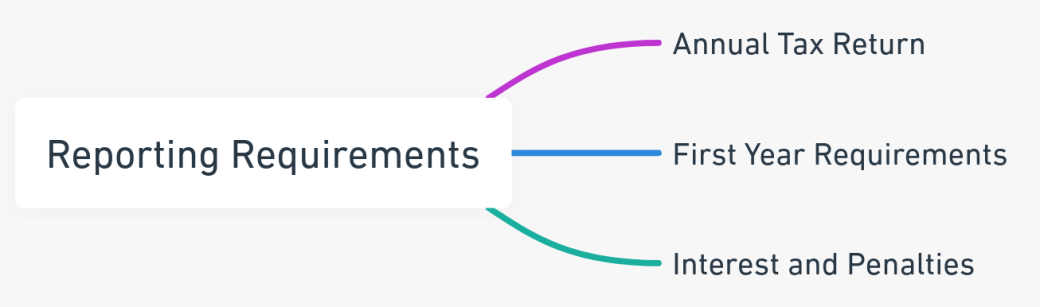
- Annual Return (Form 568): The LLC’s return reconciles the fee. Due the 15th day of the 3rd month after year end for LLCs taxed as partnerships (March 15 for calendar-year LLCs), or the 15th day of the 4th month for single-member LLCs owned by individuals.
- First Year Requirements: Prorated for short tax years; $800 minimum tax still applies.
- Interest and Penalties: A 10% underpayment penalty applies if the estimated fee paid by the June deadline is less than the fee actually due; interest and additional penalties can apply to late payments.
-
- When is Form 568 due? The 15th day of the 3rd month after the tax year closes for partnership-taxed LLCs; the 15th day of the 4th month for single-member LLCs owned by individuals.
- What if estimated fee payments were made? The Form 3536 estimated fee payment is applied against the fee due with Form 568.
- What is the minimum franchise tax? $800 minimum franchise tax applies separately (paid with Form 3522).
Licensed Professional? An LLC Is Usually the Wrong Entity
California licensed professionals — physicians, lawyers, psychologists, dentists, accountants, and most other licensees — generally cannot use a standard LLC to provide professional services in California. The usual vehicle is a California professional corporation, which is taxed differently and does not pay the LLC fee. If you are comparing structures, our S corp tax savings calculator shows how the corporate side of the math works.
Understand Your LLC Tax Responsibilities
Stay compliant with California’s gross receipts tax requirements if you own a California LLC. Contact the FTB, and your California CPA, with any questions on calculating, reporting, and paying this fee.
Need Help Forming an LLC?
LawInc can help you professionally and affordably form a California LLC. To get the process started, simply complete our secure online LLC order form. 
Need Help in Any Other Field of Law?
Contact us, anytime, if you need assistance with any other legal matters.